Reading Progress
One of the most common things I hear from educators and families is this: “We’re practicing reading all the time, but it’s not getting easier.” That’s an important signal. Because for students with dyslexia, the issue is not effort. It’s access.
Why Practice Alone Isn’t Enough
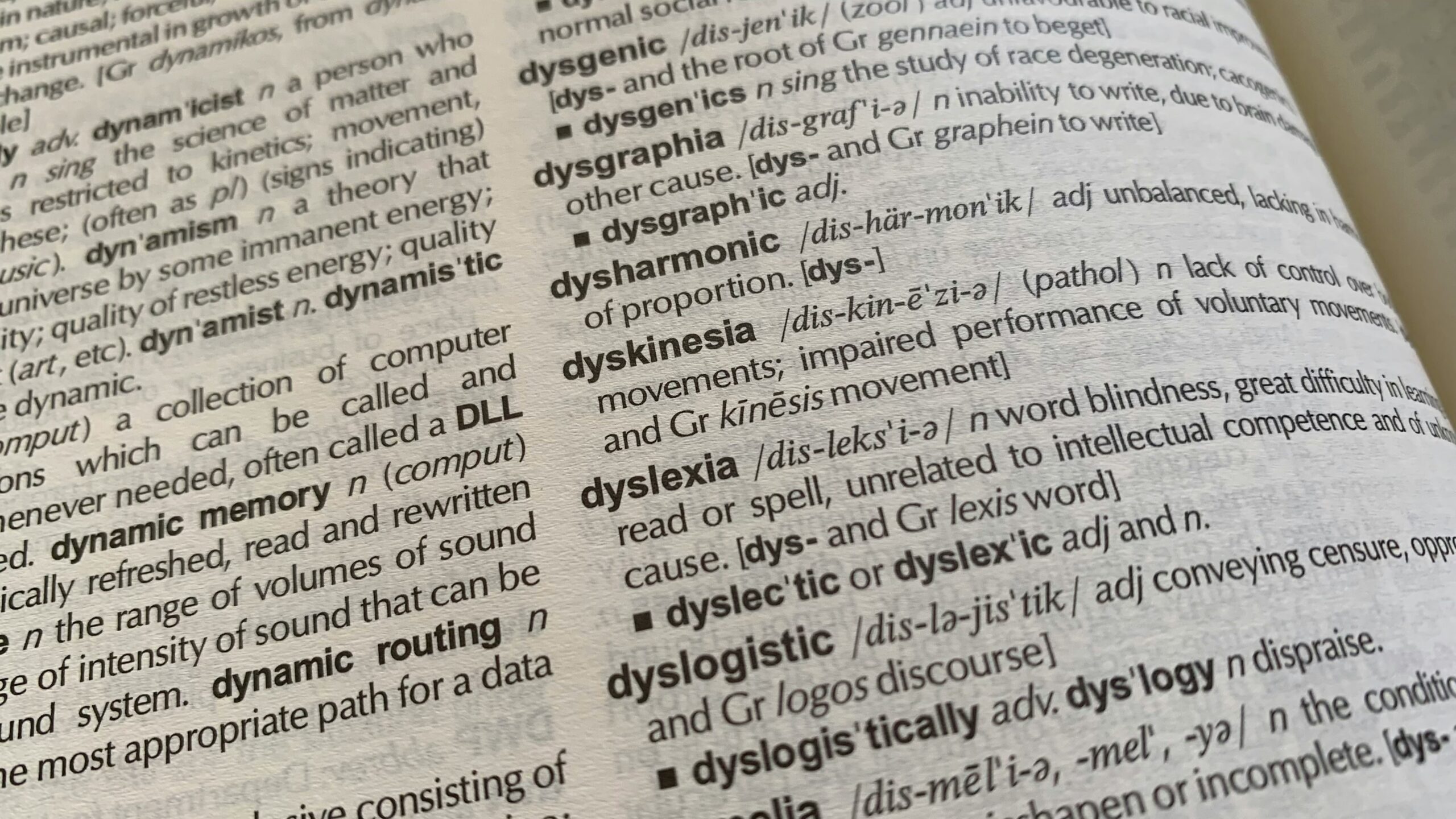
Most reading instruction assumes that students will naturally begin to recognize patterns in language. For many students, that works. For students with dyslexia, it often does not. Dyslexia frequently involves difficulty with phonological processing—the ability to hear, identify, and manipulate sounds in words.
Without clear, direct instruction, these students are left trying to figure out a system that isn’t intuitive for them.
What Actually Works
Research has given us clear direction on how to teach students with dyslexia effectively.
Instruction needs to be:
Explicit
Skills are directly taught. Nothing is assumed.
Systematic and Sequential
Concepts build in a logical order, from simple to complex.
Multisensory
Students engage multiple pathways—seeing, hearing, speaking, and writing—to reinforce learning.
Cumulative
Skills are practiced and reviewed over time, not introduced and left behind.
These elements are often referred to as structured literacy, and they are supported by decades of research.
You can explore more through the International Dyslexia Association here.
The Importance of Early Intervention
The earlier we identify and support dyslexia, the better the outcomes. The Mayo Clinic notes that early intervention can significantly improve reading development and reduce long-term academic challenges. But it’s also important to say this clearly, it is never too late to help a student learn to read.
Supporting More Than Reading
Reading challenges rarely stay contained to academics. Students may begin to:
- Avoid reading altogether
- Feel anxious in classroom settings
- Question their own ability
When instruction changes, those patterns can change too. As students begin to experience success, confidence often follows.
What Students with Dyslexia Need Most
- Instruction that matches how their brain learns
- Adults who understand what dyslexia is—and what it isn’t
- Consistency and patience
- Recognition of their strengths, not just their struggles
A Final Thought
When a student is not learning, it’s easy to assume we need more time, more repetition, or more effort. But often, what’s needed is a shift in approach. When we teach differently, students with dyslexia don’t just improve. They begin to thrive.
Sources:
https://dyslexiaida.org/dyslexia-basics/
https://www.mayoclinic.org/diseases-conditions/dyslexia/symptoms-causes/syc-20353552